Voyager 1 is about to reach one light-day from Earth
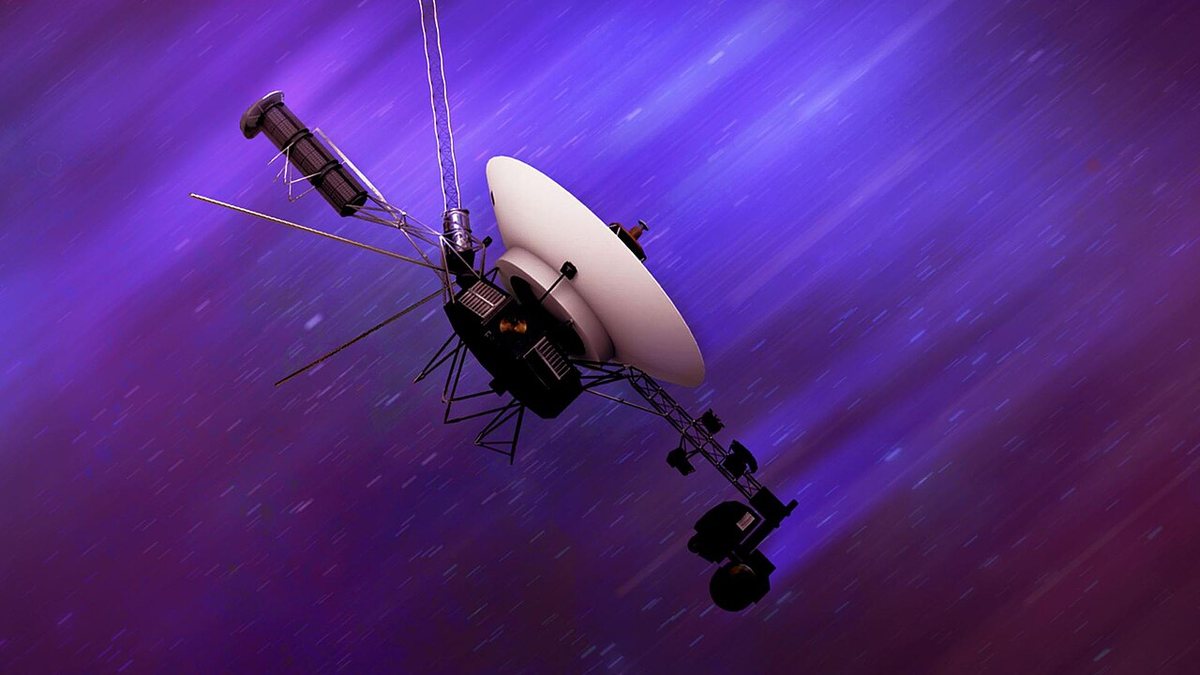
NASA's 1977 probe is about to be so far away that light takes a full day to cross the gap. Here is what that distance means for the mission.
Reviewed by Jackson on Nov 8, 2026. How we work
Quick answer
NASA says Voyager 1 is about to reach one light-day from Earth, the distance light travels in one day. NASA's countdown points to about November 18, 2026.[1][2]

In this article
Why it mattersWhat a light-day meansA probe still in serviceWhat we don't know yetWhat changedSourcesKey points
- One light-day is about 26 billion kilometres, the distance light covers in 24 hours.[1]
- NASA's countdown points to around November 18, 2026 for the milestone.[1]
- Voyager 1 launched in 1977 and is in NASA's extended mission.[1]
- A signal from Earth takes about a day to reach the probe, so commands are not answered in real time.[2]
Why it matters
The milestone shows how far a machine built in the 1970s has travelled, and how hard it is to run a mission that far away.[1][2]
What a light-day means
Light moves about 300,000 kilometres a second. In a day, it covers about 26 billion kilometres. Reaching one light-day means a radio message needs a full day to reach the probe, and a day to come back.[1][2]
A probe still in service
NASA lists Voyager 1 as being in its extended mission, still returning science data from space. Its distance means engineers plan far ahead.[1]
What we don't know yet
- The exact date and time of the milestone, which NASA confirms when it happens.
- How long the probe's instruments will keep working.
What changed
- Nov 7, 2026: First draft. Needs human review before publication.
Sources
- NASA Science: Voyager (accessed Nov 7, 2026)
- Space Daily: Voyager 1's signal now takes more than 23 hours to reach Earth (accessed Nov 7, 2026)