Cold showers: what the science confirms and what is still overhyped
Studies suggest short-term stress relief and fewer sick days at work. There is no proof of effects on immunity, metabolism or longevity.
Reviewed by Jackson on Nov 13, 2026. How we work
Quick answer
A systematic review published in PLOS ONE in 2025 pooled 11 trials with about 3,200 healthy adults. It found stress relief and better wellbeing, but the effects were small and short-lived. There was no clear change in immunity. One study of 30- to 90-second cold showers recorded fewer days absent from work, but no fewer days of illness.[1]

In this article
Why it mattersWhat the review foundImmunity, mood and what has not been provenThe shower study and sick daysRisks and who should be carefulWhat you can doWhat we don't know yetWhat changedSourcesKey points
- Stress fell significantly only 12 hours after cold exposure. At the other time points measured, there was no significant difference.[1][2]
- There was no significant change in immunity immediately or one hour later. The certainty of evidence on immunity was graded very low.[1]
- The only shower study, with more than 3,000 adults, reported 29% fewer sickness absences. The reduction was relative, and illness days did not change.[1]
- The authors say the studies are few, small and not diverse, and that better trials are needed.[1]
Why it matters
Cold showers are cheap and easy, and many people adopt them because of health promises. Knowing what is proven helps people decide without relying on marketing. It also matters for people with heart conditions, because cold exposure raises the strain on the heart in some people.[1]
What the review found
The systematic review and meta-analysis by Cain and colleagues, published on January 29, 2025, analysed 11 randomised trials with 3,177 healthy adults. More than half were women, but almost all of them came from a single study. The average methodological quality score was 6.4 out of 10 on the PEDro scale.[1]
For stress and wellbeing, the effect was small. Improved quality of life appeared at 30 days but did not hold at 90 days. For sleep, improvement appeared in only one study, which included men only.[1]
Immunity, mood and what has not been proven
Immunity claims are the most common, but the review found no significant change. In one study of 20 men, there was also no difference in mood.[1]
Claims about metabolism, muscle gain and longevity do not appear in the studies reviewed. They should be treated as hypotheses, not facts.[1][2]
The shower study and sick days
The most cited result comes from a trial of more than 3,000 adults aged 18 to 65, who took cold showers of 30, 60 or 90 seconds for 30 days, compared with a control group. The cold-shower participants had 29% fewer sickness absences from work. That is a relative reduction, and it does not mean people were 29% less ill.[1]
The trial was not blinded: participants knew which group they were in. Outcomes were self-reported through an online survey, and compliance could not be verified. The sickness-absence rate was 0.71 times that of the control group (95% confidence interval 0.56 to 0.89). For illness days, the difference was not significant (0.89; interval 0.77 to 1.01; p = 0.073). The authors also found no difference between 30-, 60- and 90-second showers.[3]
The same study found no difference in days of illness. People may have missed less work for other reasons, and the mechanism is not clear. Because this is a single study, it is not enough to recommend cold showers as disease prevention.[1]
Risks and who should be careful
A 2025 study of 74 healthy 15- and 16-year-olds tested face immersion in 10 °C water and body immersion, excluding the head, in 2 °C water. Extra heartbeats were recorded, and in two people, ventricular bigeminy during face immersion. The authors concluded that the risk of severe arrhythmias is relatively low when only the body is briefly immersed, but likely higher with whole-body submersion and breath-holding. They acknowledge that the sample is small and made up of healthy adolescents.[4]
Cold triggers a fast response in the body, including a rise in heart rate and blood pressure. For people with heart disease, high blood pressure or arrhythmia, this can be dangerous. Pregnant people and those with circulatory problems should also check with a doctor first.[1][2]
This article does not replace medical advice. If you have a health condition, talk to your doctor before changing your shower routine.[1]
What you can do
- If you want to try cold showers for wellbeing, start with cool water for a short time and notice how you feel.[1]
- Stop and seek care if you feel dizziness, chest pain or shortness of breath.[1]
What we don't know yet
- Whether the effects on stress and sleep last beyond 90 days.
- Whether a cold shower has the same effects as cold-water immersion.
- What mechanism explains the drop in sickness absences.
What changed
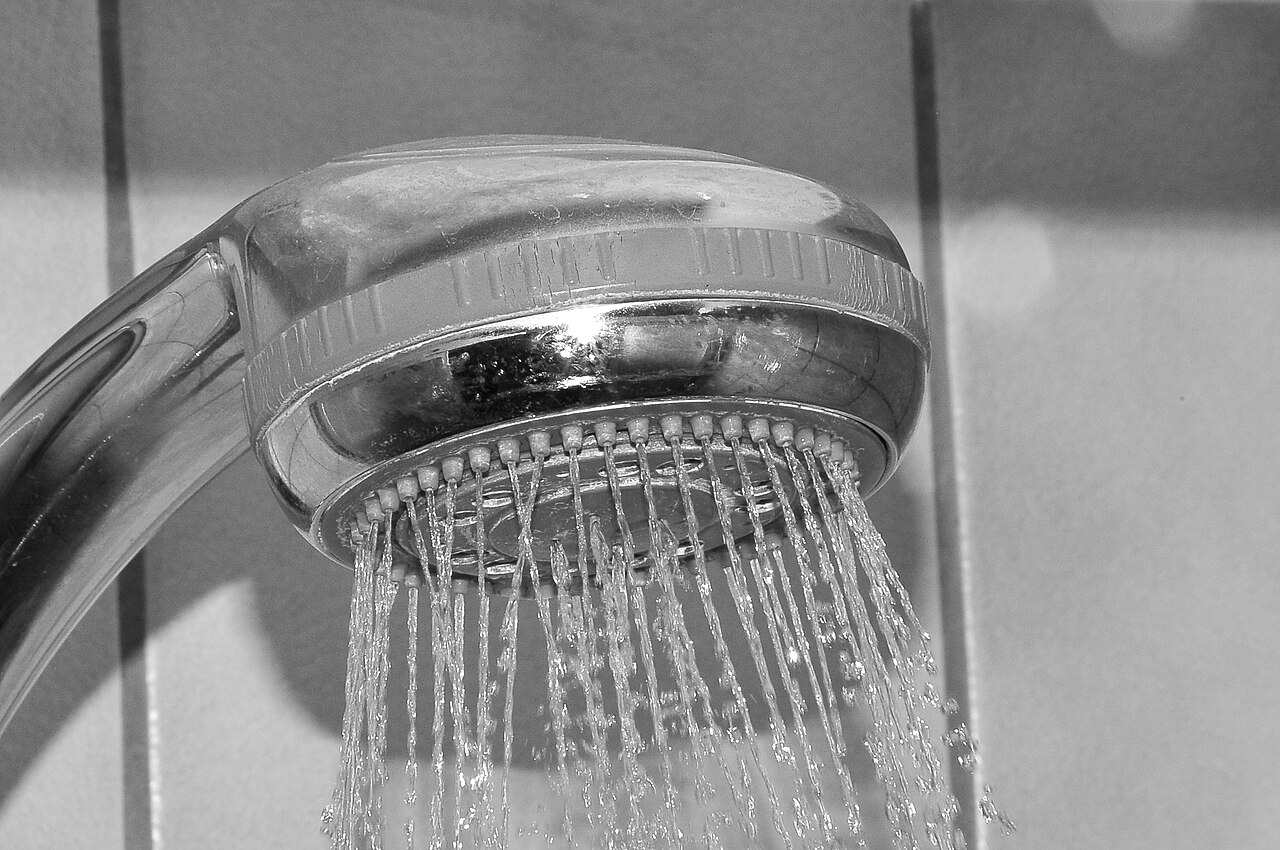
- Nov 13, 2026: Image replaced: the previous file showed an elephant, not a shower. Corrected before any reader comment.
Sources
- PLOS ONE: Effects of cold-water immersion on health and wellbeing: A systematic review and meta-analysis (accessed Nov 13, 2026)
- National Geographic: Science is pushing back on the hype over cold plunges (accessed Nov 13, 2026)
- PLOS ONE: The Effect of Cold Showering on Health and Work: A Randomized Controlled Trial (Buijze et al., 2016) (accessed Nov 13, 2026)
- Physiological Reports: Assessment of arrhythmias and heart rate response in healthy adolescents performing face immersion and body submersion in ice-cold water (Lundström et al., 2025) (accessed Nov 13, 2026)