Banco do Brasil profit falls 66.5% in the third quarter as farm defaults rise
The bank reported adjusted profit of R$1.27 billion in the third quarter of 2026. Rising defaults in agribusiness explain most of the drop.
Reviewed by Jackson on Nov 13, 2026. How we work
Quick answer
Banco do Brasil reported adjusted net income of R$1.27 billion in the third quarter of 2026, down 66.5% from a year earlier. The bank attributed the result mainly to rising defaults in agribusiness, especially among medium and large producers, and cut its 2026 profit forecast.[1][2]

In this article
Why it mattersHow big the drop isWhere the problem is: agricultureWhy credit costs moreWhat changes for 2026What to watchWhat we don't know yetSourcesKey points
- Adjusted profit was R$1.27 billion, down 66.5% from the same quarter of 2025, according to press reports that reproduced the bank's results.[1]
- Agribusiness default rose to 6.92%, from 4.84% in September 2025.[2]
- Credit expense totalled R$21.2 billion, up 18.4% year on year.[2]
- The 2026 adjusted profit forecast fell from R$18–22 billion to R$9–11 billion.[2]
Why it matters
Banco do Brasil is the largest lender to agribusiness in Brazil. When defaults rise in the countryside, the bank earns less, may restrict new loans, and borrowing and production costs can reach consumers.[1][2]
How big the drop is
In the third quarter of 2025, adjusted profit was R$3.78 billion, according to press reports. In the second quarter of 2026, profit was about R$3.9 billion. With R$1.27 billion in the third quarter of 2026, the year-on-year fall is close to 66%.[1]
These figures come from press reports that reproduce the bank's results. Before quoting them in formal analysis, check the official results release on the bank's investor relations site.[1]
Where the problem is: agriculture
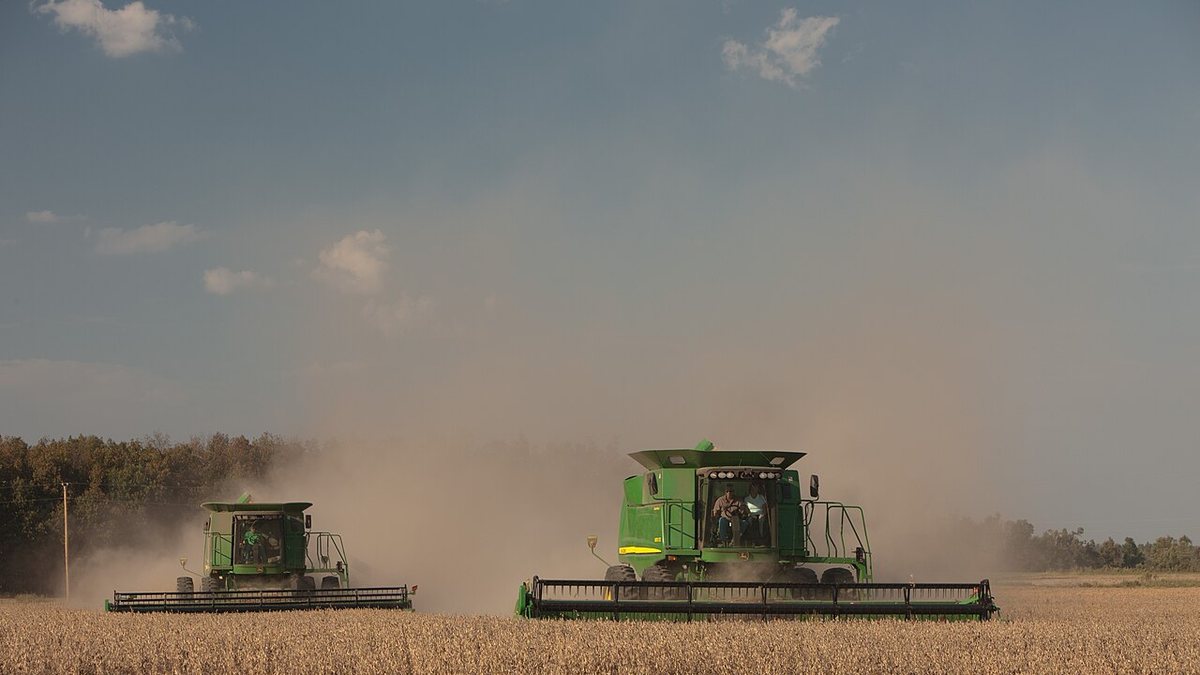
According to the bank, defaults were concentrated in agribusiness, mainly among medium and large soybean, corn and cattle producers, especially in the Center-West. There were also targeted provisions for wholesale-segment companies.[1]
Agribusiness default rose from 4.84% in September 2025 to 6.92%. Individual-customer default also rose, from 6.01% to 9.14%, which shows the strain is not limited to farms.[2]
Why credit costs more
When borrowers stop paying, a bank must set aside more money to cover expected losses. That credit expense grew 18.4% and reduces profit before it reaches shareholders.[2]
For farmers, the effect usually shows up as higher interest rates, shorter terms and stricter collateral requirements. Those adjustments tend to last while defaults remain high.[2]
What changes for 2026
The 2026 adjusted profit forecast is now between R$9 billion and R$11 billion, down from R$18–22 billion. The bank will also pay only 25% of profit as dividends, the minimum required by law.[2]
Before the results, a preview cited by the press expected much higher profit than the one reported. The result therefore came in below what the market had expected.[1]
What to watch
Three indicators will show whether the farm credit strain is easing: agribusiness default in the next quarter, credit expense, and prices for soybeans, corn and beef, which affect producers' ability to pay.[2]
What we don't know yet
- Whether agribusiness default has peaked. The bank has not said when it expects a reversal.
- The exact results figures, which need to be checked against the bank's official release.
- How much farm credit will cost producers next year.
Sources
- WS Com: Lucro do Banco do Brasil despenca 66,5% no 3º trimestre com inadimplência do agronegócio (accessed Nov 13, 2026)
- Tribuna do Sertão: Lucro do BB cai 66,5% no 3º trimestre com inadimplência do agro (accessed Nov 13, 2026)