72-hour emergency kit: what to keep at home and why Brazil's Civil Defence recommends it
Brazil's Civil Defence recommends keeping supplies for the first 72 hours of an emergency. The list is simple and suits any household.
Reviewed by Jackson on Nov 14, 2026. How we work
Quick answer
Brazil's Civil Defence recommends that households keep supplies for 72 hours, because rescue teams can take time to reach some areas. The kit includes water, non-perishable food, ongoing medication, copies of prescriptions, hygiene products, a torch, batteries, a radio and documents. The guidance is preventive and does not signal a new alert.[1][2]

In this article
Why it mattersWhy 72 hoursWhat to packHow to keep the kit readyA kit is not an alertWhat you can doWhat we don't know yetSourcesKey points
Why it matters
In major disasters, rescue teams prioritise the worst-hit areas, and some places stay isolated for a while. Having the basics at home reduces dependence on outside help in the first hours.[1]
Why 72 hours
The 72-hour mark is a starting point. It covers the period in which a family most needs to manage on its own, before organised help reaches every affected area.[1]
The kit does not replace a family plan or the instructions of the local Civil Defence, which may flag specific risks in your city.[1]
What to pack
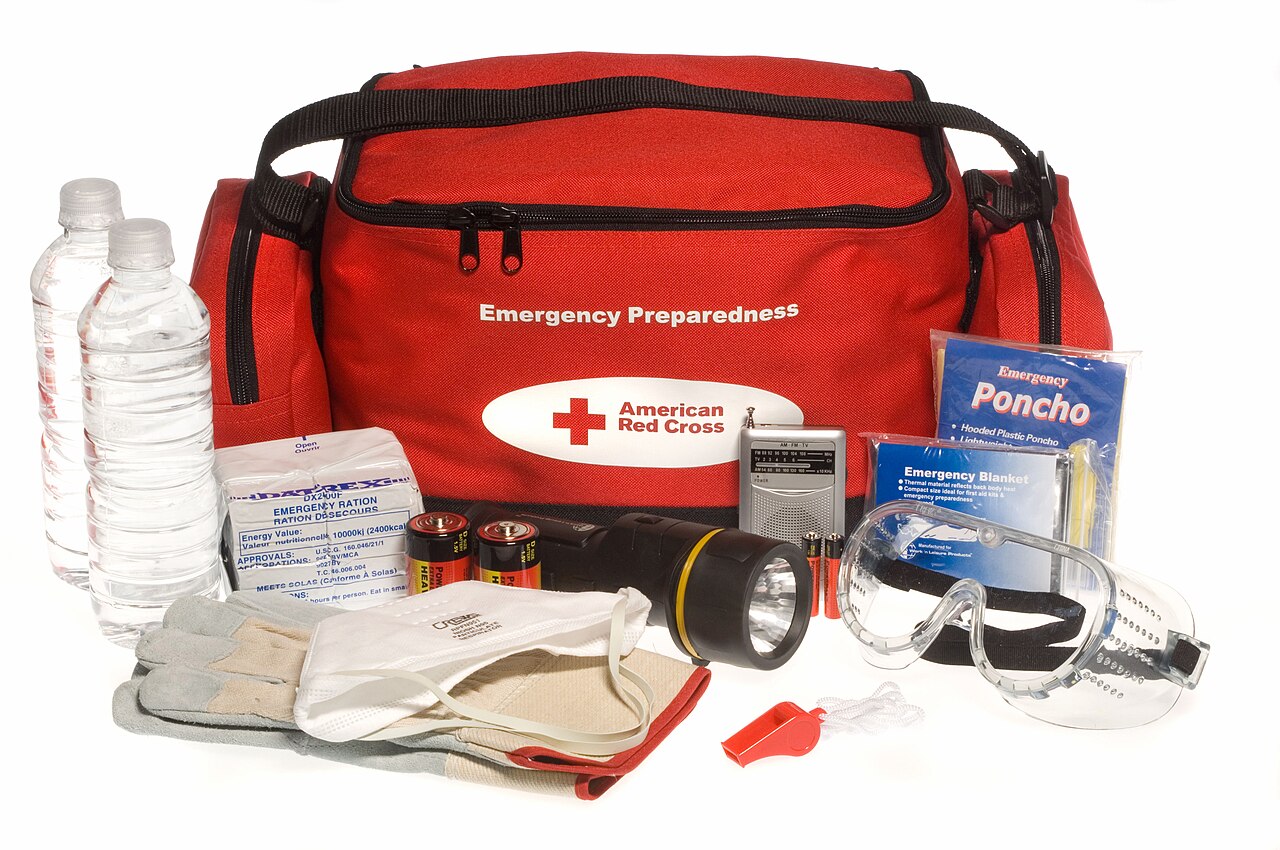
Drinking water and foods that keep, such as tinned goods, biscuits and cereal bars. Ongoing medication, with copies of the prescriptions. Hygiene products, a change of clothes and identity documents kept in a sealed plastic bag.[1]
A torch, batteries, a radio, a power bank and a rain cover. A battery radio matters when power and internet go down.[1]
Keep copies of important documents in a digital form as well, stored somewhere you can reach from a phone. Paper copies are safer when power or networks are down.[1]
Choose items that do not need preparation, such as ready-to-eat food and bottled water, so the kit can be used straight away.[1]
How to keep the kit ready
Check the expiry dates of food and medicine regularly. Test the torch and radio with the batteries in the kit, and replace any that are weak.[1]
Store the kit somewhere easy to reach, and tell everyone in the house where it is. Once a year, a quick family drill helps.[1]
Store the kit in a cool, dry place, away from heat and damp, which shorten the life of food, medicine and batteries.[1]
A kit is not an alert
In November 2026, the kit recommendation was mistaken for a warning of a worldwide blackout. Fact-checks found no basis for that claim. Read the full article to see how the confusion started.[2]
What you can do
- Build the kit from what you already have at home, and add what is missing.[1]
- Check expiry dates and batteries every six months.[1]
What we don't know yet
- How many litres of water each person should keep. We could not confirm this from an official source.
- Which specific risks apply in your city, which should be checked with your local Civil Defence.
Sources
- Gazeta do Paraná: Checagem: apagão mundial em 17 de novembro, entenda a origem do boato e o que dizem as autoridades (accessed Nov 14, 2026)
- ZapTrend News: World blackout on November 17: what is a rumour and what the emergency kit really means (accessed Nov 14, 2026)